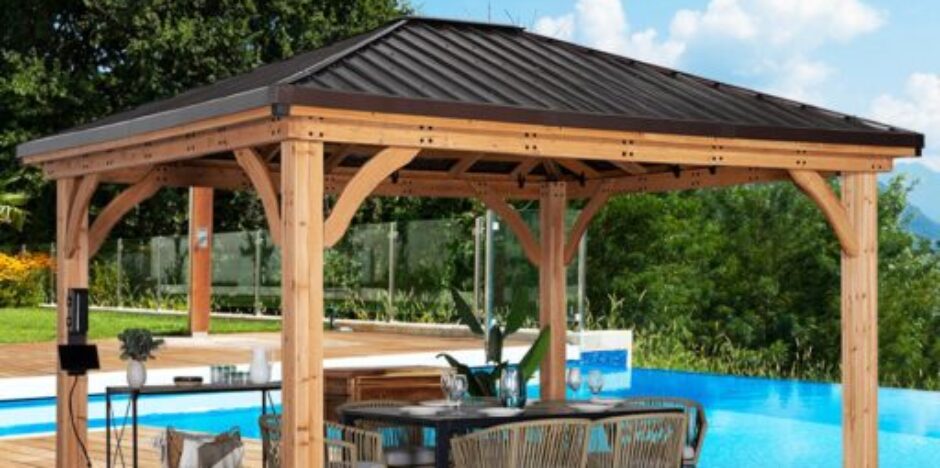
How to prevent gazebo wobbling — quick answer
If your gazebo rocks or wiggles when you lean on a post or when wind hits, the fix is almost always a combination of proper anchoring, a level base, and solid connections. The first steps are to check the foundation (is it anchored to concrete, a deck, or pavers?), tighten and replace loose hardware, and add diagonal bracing where the posts meet the header. This article walks through practical, homeowner-friendly solutions that stop wobble without needing a contractor.
Common causes of a wobbly gazebo
- Unanchored or shallow footings: posts set on soil or soft paver beds will shift under load.
- Uneven base or settling: one corner lower than the others transfers load and creates movement.
- Loose fasteners or missing washers: pre-drilled kits still need checks after seasonal movement.
- Insufficient cross-bracing: square frames resist racking when they have diagonal support.
- Rot or damaged timber at post bases: even cedar will decay over time if in constant contact with wet soil.
Step-by-step fixes to stop gazebo wobble
Work from the ground up — the foundation controls stability. Follow these homeowner steps:
- Check and level the base: Use a 4-foot level across beams. If one corner has settled, add a compacted crushed stone pad or use shims beneath the post plate to bring it level before anchoring.
- Anchor the posts: Bolt into concrete with wedge or epoxy anchors, or use adjustable post anchors for decks and paver bases. Anchoring to a concrete pad is the most reliable long-term fix.
- Tighten and replace fasteners: Inspect lag bolts, carriage bolts, and washers. Replace rusty or undersized bolts with galvanized or stainless steel hardware and add lock washers or nylon-lock nuts.
- Add diagonal bracing: Install 2×4 diagonal braces from mid-post to header on the windward sides. For a hidden option, install metal angle brackets at corners for extra shear resistance.
- Repair or replace rotten wood: Cut out and sister new cedar where rot appears at the base, or bolt the post to a metal anchor plate above the ground line to keep cedar clear of moisture.
- Check roof connections: A loose roof can make the whole structure feel floppy. Ensure rafters and ridge pieces are snug and properly fastened.
Tools and materials you’ll likely need
- 4-foot level, socket set, impact or driver
- Galvanized or stainless bolts, washers, and nuts
- Post anchors or concrete wedge/epoxy anchors
- 2x4s for diagonal bracing or metal angle braces
- Crushed stone for pad leveling and shims
Why I recommend the Backyard Discovery Arcadia 14′ x 12′ for stability upgrades
For homeowners who want a roomy, stable cedar gazebo that responds well to anchoring and bracing upgrades, the Backyard Discovery Arcadia 14′ x 12′ Cedar Wood Outdoor Gazebo is an excellent fit. Its post-and-beam construction gives clear places to attach anchors and diagonal braces, and the pre-cut cedar members make it simple to shim and level accurately during assembly. If you have a larger patio or plan to add furniture and lighting, the 14′ x 12′ size balances coverage with a solid footprint that resists racking better than very small frames.

Watch a Real Backyard Discovery Gazebo Build in 4K
Before you commit to a gazebo, it helps to see one go together in the real world. Preston and his brother built a Backyard Discovery Arcadia 12′ x 9.5′ cedar gazebo in a single evening, start to finish.
In the 4K video below, you can see how the pre-cut, pre-drilled cedar pieces fit together, how the hardware is organized, and how manageable the process is for just two people. The fresh cedar smell, solid posts, and overall build quality are a big part of why we like Backyard Discovery so much.
If you want to see more photos and details from this exact build, Preston also wrote about the process on his personal site: PrestonShamblen.com/backyard-discovery-arcadia-gazebo-setup. It includes tips, notes, and behind-the-scenes details from the same evening.
Final checks and seasonal maintenance
After you anchor and brace, revisit bolts after a week and again after the first winter. Re-tighten as lumber seasons. Keep post bases clear of soil, and lightly sand and re-seal exposed cedar ends if you cut or sister posts. With a properly anchored base and a few diagonal braces, wobble should be eliminated — and a Backyard Discovery Arcadia will stand stable for years with basic seasonal care.
Conclusion
To prevent gazebo wobbling, stabilize the foundation, anchor posts to concrete or a secured deck, tighten or replace hardware, and add diagonal bracing where needed. The Backyard Discovery Arcadia 14′ x 12′ Cedar Wood Outdoor Gazebo is especially friendly to these upgrades because of its post-and-beam layout and pre-drilled parts. And remember: as Preston’s evening build shows, a very similar Arcadia kit is practical for two people to assemble in a single evening — once it’s properly anchored, it will stay solid for years.


