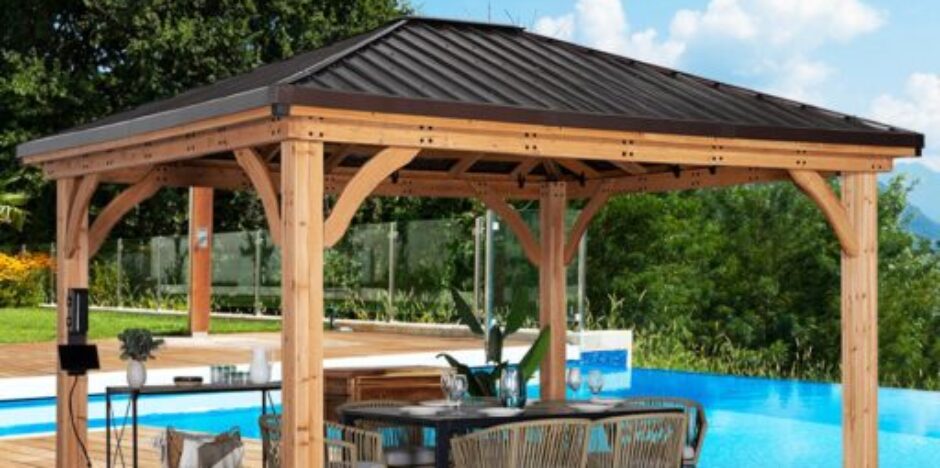
Barrington roof load capacity breakdown — what homeowners need to know
If you want a clear, practical Barrington roof load capacity breakdown, start with the basics: roof load is the combination of dead load (roof materials), live load (snow, temporary storage, people during maintenance), and wind uplift forces. This article explains how those loads interact on Backyard Discovery Barrington frames, what to watch for in heavy-snow or windy areas, and which Barrington model we recommend for larger yards.
In short: the Barrington family uses solid cedar posts, pre-cut rafters, and a framed roof that performs well under normal yard conditions. For heavy snow or frequent storms, the Backyard Discovery Barrington 20′ x 12′ Cedar Wood Outdoor Gazebo is a strong general recommendation because its larger span and robust rafter layout reduce snow accumulation stress compared with smaller sizes.
Key load components (quick breakdown)
- Dead load: cedar shingles or panels, rafters, fascia. This is predictable and included in the design.
- Live (snow) load: variable — light dustings are minimal but heavy, wet snow significantly increases downward force on rafters.
- Wind loads: uplift and lateral shear. Proper footings and post anchors resist wind; diagonal bracing helps avoid racking.
- Point loads: added weight (lights, fans) should be concentrated at posts or designed attachment points; avoid hanging heavy items from mid-rafters.
Typical rafter and roof details that matter
Barrington gazebos use spaced rafters and a ridge that carry roof loads into the posts. Important factors include rafter spacing, roof pitch, and the sheathing or shingles used. Tighter rafter spacing and a steeper pitch both help shed snow and reduce standing loads. For example, if you live where heavy, wet snow is common, choose a model with a higher pitch or plan to clear snow promptly.
Watch a Real Backyard Discovery Gazebo Build in 4K
Before you commit to a gazebo, it helps to see one go together in the real world. Preston and his brother built a Backyard Discovery Arcadia 12′ x 9.5′ cedar gazebo in a single evening, start to finish.
In the 4K video below, you can see how the pre-cut, pre-drilled cedar pieces fit together, how the hardware is organized, and how manageable the process is for just two people. The fresh cedar smell, solid posts, and overall build quality are a big part of why we like Backyard Discovery so much.
If you want to see more photos and details from this exact build, Preston also wrote about the process on his personal site: PrestonShamblen.com/backyard-discovery-arcadia-gazebo-setup. It includes tips, notes, and behind-the-scenes details from the same evening.
How to estimate and improve actual roof capacity
Because Backyard Discovery sells kit-style cedar gazebos rather than site-engineered structures, exact stamped load numbers vary by local code and installation. Here’s a homeowner-friendly process to estimate capacity and reduce risk:
- Check local snow-load maps and building code. Design loads are often expressed as pounds per square foot (psf).
- Compare the code-required live load to typical values: light snow might be 10–20 psf, heavy wet snow can exceed 40 psf in some regions. If you’re near the higher end, choose a larger Barrington with closer rafter spacing.
- Inspect connections: ensure post anchors are bolted to solid footings or concrete piers; good anchors reduce uplift risk from wind.
- Use diagonal bracing and keep roof vents or gaps to prevent trapped moisture; cedar performs well but still needs airflow and maintenance.
Practical tips for heavy-snow areas
- Clear heavy snow early and evenly — don’t let deep drifts accumulate in one quadrant.
- If you expect extreme loads, add temporary propping under the ridge during storms, or install supplemental purlins under the roof sheathing.
- Consider a steeper roof pitch option or a Barrington size with more rafters per span.
Why choose the Backyard Discovery Barrington 20′ x 12′?
The Backyard Discovery Barrington 20′ x 12′ Cedar Wood Outdoor Gazebo balances span and structural support: the longer ridge and well-spaced rafters reduce the relative load per rafter compared with narrower models, and the solid cedar members are durable and rot-resistant when maintained. Backyard Discovery also offers a solid warranty and a range of sizes across the Barrington line, so you can pick a model that matches your snow and wind exposure.

Conclusion: reading the Barrington roof load capacity breakdown
To summarize this Barrington roof load capacity breakdown: understand dead vs. live loads, check local code snow-load figures, and pick a Barrington size (we recommend the Barrington 20′ x 12′ for many heavy-use yards) that provides extra rafter support and a sensible pitch. The real-world build video above shows that assembly is straightforward for two people in an evening, and Backyard Discovery’s pre-drilled cedar parts and hardware make on-site work predictable. If you have very heavy snow or need stamped engineering, consult a local engineer for site-specific load calculations before installation.


