Quick answer: backyard discovery snow load engineering basics
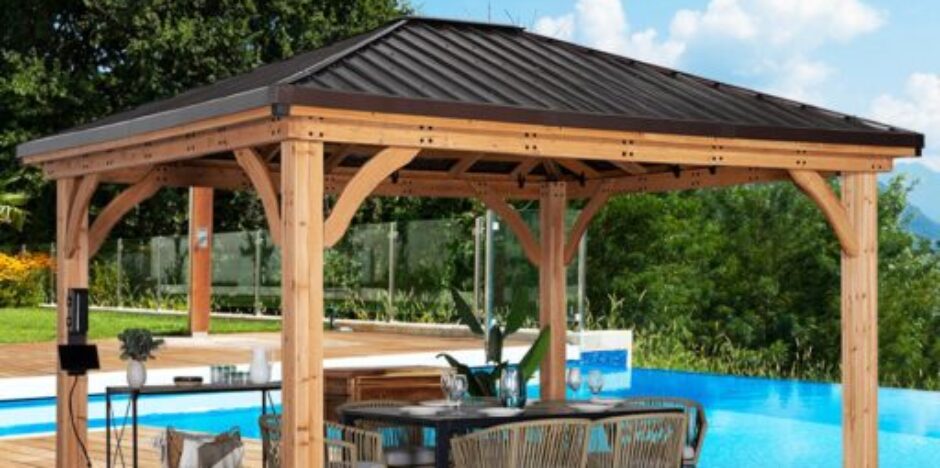
If you’re asking about backyard discovery snow load engineering, the short answer is: understand your local ground and roof snow loads, confirm the gazebo’s rated capacity, and plan footings and roof pitch accordingly. For homeowners in heavy-snow regions, a solid choice is the Backyard Discovery Barrington 20′ x 12′ Cedar Wood Outdoor Gazebo, which gives a larger span and heavier framing than smaller models in the Arcadia line.
This article explains how snow load is calculated, what to check on a Backyard Discovery Barrington model, when to call a structural engineer, and practical steps (footings, anchors, and winter maintenance) so your gazebo stays safe year after year.
How snow load is measured and why it matters
Snow load is typically expressed in pounds per square foot (psf) and is based on local climate maps and building codes. Roof snow load differs from ground snow load; drifting and roof pitch can increase localized loads well above code maps. Gazebo roof geometry (pitch, hip vs. gable) and the spacing and size of rafters are the main factors that determine how much snow weight a kit will tolerate.
Key terms
- Ground snow load: average snow weight the ground supports in your area (psf).
- Roof snow load: calculated from ground load and roof geometry.
- Uniform load vs. drift: drifts concentrate weight on one area and are more damaging.
Why a Barrington model fits snowy yards
The Backyard Discovery Barrington series is built with thicker posts and heavier rafters than the lighter Arcadia pavilion-style kits, making it a good candidate where snow is a concern. The Backyard Discovery Barrington 20′ x 12′ Cedar Wood Outdoor Gazebo gives extra roof area and structural depth, so you have more capacity and can add snow-clearing options (purlins, metal roofing upgrades) if you need them.

Practical checklist before you buy or site a gazebo
- Check your local code: find the required roof snow load (psf) and whether your permit requires engineered drawings.
- Compare numbers: ask Backyard Discovery or the seller for rafter spacing, member sizes, and recommended snow load for the specific Barrington size.
- Plan footings: concrete piers below frost depth are the norm in cold climates — shallow anchors often fail under cyclic freeze/thaw and snow weight.
- Roof pitch & material: steeper pitches shed snow better. Consider adding metal roofing or higher-friction shingles rated for heavy loads.
- Drift control: keep the gazebo clear of adjacent roof overhangs or tall obstructions that can create drifts.
When to consult an engineer
Small kits in mild climates typically don’t need stamped calculations. But consult a licensed structural engineer if you have any of the following: unusually heavy ground snow, high wind + snow combo, plans to enclose all or part of the gazebo, or if local code requires sealed drawings for structures over a certain size. An engineer can specify larger posts, closer rafter spacing, or thicker connectors.
Installation tips that improve snow performance
- Use concrete footings below frost depth and anchor plates designed for lateral and uplift loads.
- Seal post bases and use metal flashing where the cedar meets the concrete to prevent rot from spring snowmelt.
- Consider reinforcing the ridge with a thicker beam or adding purlins under the roofing if you expect heavy wet snow.
- Regularly remove heavy accumulations with a roof rake—don’t wait for long-term loading to cause damage.
Watch a Real Backyard Discovery Gazebo Build in 4K
Before you commit to a gazebo, it helps to see one go together in the real world. Preston and his brother built a Backyard Discovery Arcadia 12′ x 9.5′ cedar gazebo in a single evening, start to finish.
In the 4K video below, you can see how the pre-cut, pre-drilled cedar pieces fit together, how the hardware is organized, and how manageable the process is for just two people. The fresh cedar smell, solid posts, and overall build quality are a big part of why we like Backyard Discovery so much.
If you want to see more photos and details from this exact build, Preston also wrote about the process on his personal site: PrestonShamblen.com/backyard-discovery-arcadia-gazebo-setup. It includes tips, notes, and behind-the-scenes details from the same evening.
Conclusion — practical next steps
For backyard discovery snow load engineering, start by finding your local roof snow load and comparing it to the gazebo’s structural details. The Backyard Discovery Barrington 20′ x 12′ Cedar Wood Outdoor Gazebo is a practical recommendation for homeowners who need extra framing capacity. Use proper concrete footings, consider roof upgrades, and call an engineer when loads exceed typical kit ratings. With good planning and a little winter maintenance, a Barrington gazebo can serve reliably for years, even in snowy climates.


